
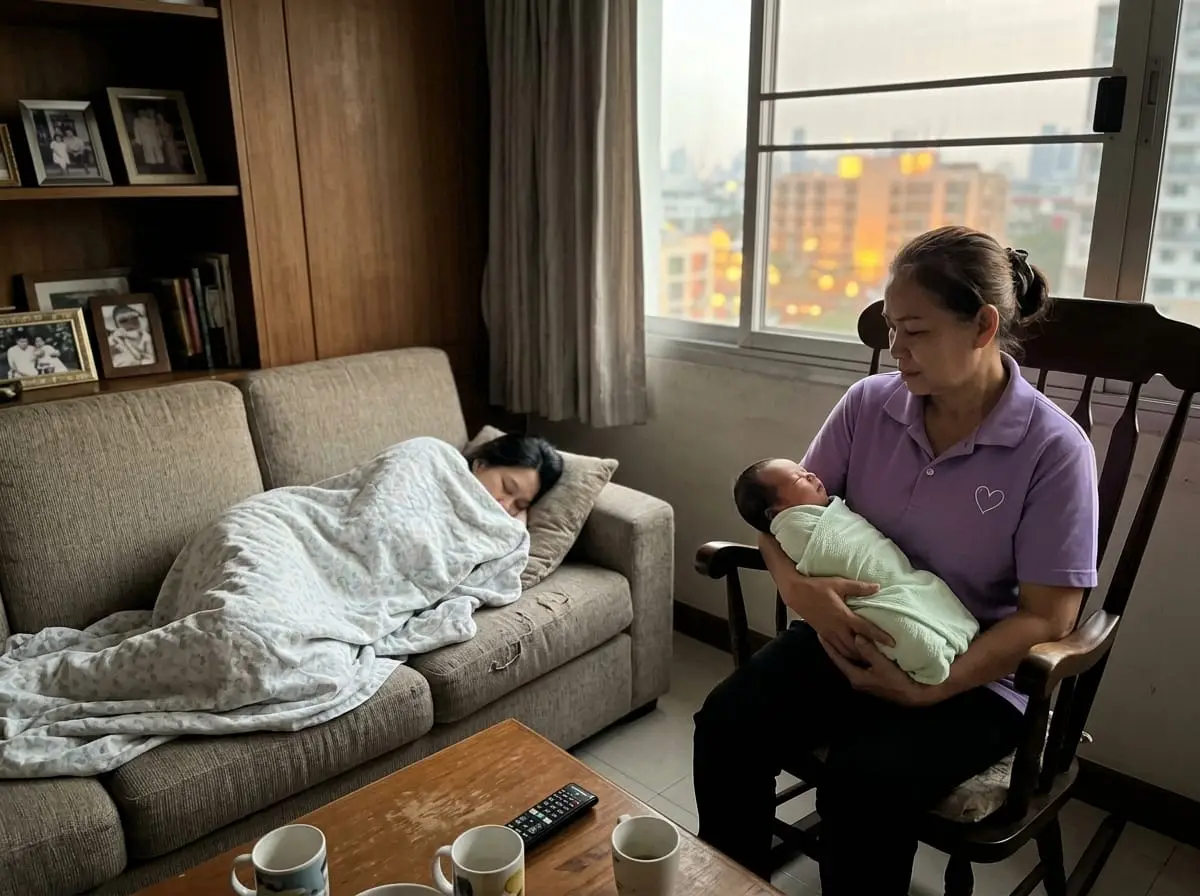
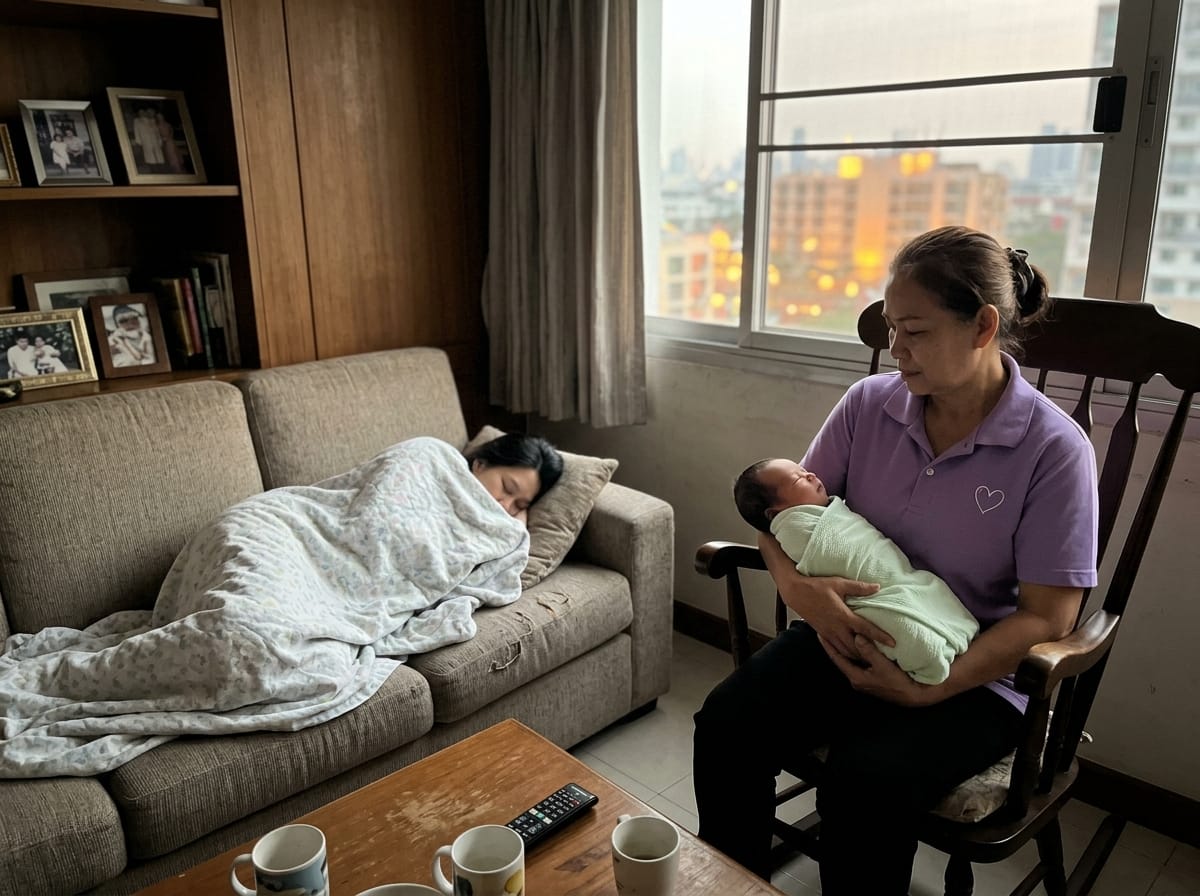
A good postpartum nanny in Bangkok is, for many, the difference between surviving the first six weeks and recovering in them. One person looks after the baby, day or night. Another, ideally, keeps the mother fed. Everyone else gets to sleep.
Families arrive at this from different directions. A Thai grandmother may expect yu fai, the tradition of resting near warmth with herbal compresses. A Chinese-Malaysian family may plan a full month of confinement soups. A family from London may simply want someone to take the 2 am feed. Underneath, the needs are the same: rest, good food, clean hands around a newborn, and someone who knows when something is not right.
This guide explains how a postpartum nanny and a cook can work together in a Bangkok home, what the traditions say and what the evidence supports, a 10-day meal plan, and the warning signs that mean picking up the phone.
What postpartum care at home looks like in Bangkok
Most families who book postpartum help with CareRova end up with one of three set-ups.
A newborn nanny, full-time. Five or six days a week, either live-out or live-in. She runs the baby's day: feeds, nappies, baths, sterilising, settling, and a written log. On some nights she does the late shift so the parents get a long block of sleep. Our newborn and night nanny service covers this role.
A newborn nanny plus a part-time cook. The nanny looks after the baby; a cook comes three days a week to prepare soups, stews, snacks and the mother's main meals for the days in between. This is the combination we recommend most often, because a newborn nanny cannot cook confinement meals properly while also caring for a baby.
Night help only. For families with a grandparent or partner covering days, a night nanny from around 21:00 to 07:00 covers the hardest hours. Night arrangements are quoted to the hours and nights a week you need.
The 40 days
Thai, Chinese, Indian and Malay traditions all mark a period of roughly 30 to 40 days after birth when the mother rests and is looked after. Western medicine calls it the postnatal period and usually checks in at around six weeks. The numbers line up for a reason: the uterus takes about six weeks to return to its usual size, bleeding settles over a similar period, and breastfeeding usually becomes established within that window.
The practical goal for those weeks is simple. The mother feeds the baby, eats, sleeps and heals. Everything else is someone else's job.
What the nanny does, hour to hour
- Takes the baby after feeds to burp, change and settle, so the mother can sleep.
- Brings the baby to the mother for breastfeeds, or prepares bottles if formula or expressed milk is used.
- Washes and sterilises bottles and pump parts.
- Keeps a log of feeds, nappies and sleep, which the doctor and parents can use.
- Bathes the baby and handles cord care until the stump falls off.
- Brings the mother water and a snack at each feed.
- Watches both mother and baby for warning signs and says so early.
Thai, Chinese and Western traditions, and what the evidence supports
Every tradition has wisdom in it and some practices that do not travel well to a city apartment at 33 °C. A good postpartum nanny respects the family's customs and knows where to be careful.
Thai yu fai
Traditional yu fai involves the mother resting near a source of warmth for days or weeks after birth, drinking warm water, wearing warm clothes, using hot herbal compresses on the abdomen and breasts, and sometimes herbal steam. The belief is that heat restores the body and helps the uterus recover.
Modern Bangkok families usually keep the comfort and drop the fire. Warm drinks, warm food, a herbal compress used carefully and a lot of rest are reasonable. Lying near strong heat in a Bangkok bedroom in April is a real risk of overheating and dehydration, especially for a mother who is losing fluid through breastfeeding. Hot compresses can also burn skin that has less sensation after a caesarean.
Thai postpartum food traditionally includes kaeng liang (a peppery vegetable soup with lemon basil), banana blossom, ginger, and plain soups with chicken or fish. Most of this is excellent food for any new mother.
Chinese confinement
The Chinese tradition of sitting the month emphasises warming foods, avoiding cold drinks and raw food, staying indoors, and often not washing hair or showering. Typical dishes include pig's trotters stewed in black vinegar and ginger, sesame oil chicken with rice wine, fish soup with green papaya, and red date and longan tea.
The food is nourishing: protein, iron, collagen-rich broths and warm fluids. Three points need care:
- Rice wine. Cooking does not remove all the alcohol, and alcohol passes into breast milk. A cook can make the same dishes with the wine reduced hard or left out.
- Herbal tonics. Some herbs used in confinement soups, such as dong quai, have effects on bleeding and may pass into milk. Ask your obstetrician before using them in the first weeks.
- Not washing. A daily shower is important for wound healing after a caesarean or a tear. Warm water and quick drying meet the tradition halfway.
What the evidence supports
The NHS pregnancy and baby guide covers postnatal recovery in plain language. The consistent message: rest as much as you can, eat regular balanced meals, drink plenty, keep wounds clean, accept help, and know the warning signs. The WHO's guidance on infant and young child feeding recommends exclusive breastfeeding for the first six months where possible, which makes the mother's nutrition and rest central, not optional.
Where traditions and evidence agree is broader than most people expect. Warm, nourishing food, broths and soups, rest, help with the baby and a quiet house are all good medicine.
A confinement meal plan: 10 days of menus
This is a sample plan a cook might prepare across three visits a week, mixing Thai, Chinese and Western dishes. It assumes a breastfeeding mother with no allergies and no medical diet. Adjust with your doctor if you had a caesarean, gestational diabetes or high blood pressure.
| Day | Breakfast | Lunch | Dinner | Drinks and snacks |
|---|---|---|---|---|
| 1 | Rice porridge with minced pork and ginger | Chicken soup with rice and greens | Steamed sea bass with ginger, rice, bok choy | Warm water, red date tea, banana |
| 2 | Oats with banana and nuts | Kaeng liang with prawns, rice | Beef and vegetable stew, brown rice | Milk, boiled egg, papaya |
| 3 | Scrambled eggs, wholemeal toast, avocado | Green papaya and fish soup, rice | Ginger chicken stir-fry, rice, spinach | Ginger tea, yoghurt |
| 4 | Congee with fish and spring onion | Lentil and vegetable soup, bread | Pork trotters in black vinegar, rice, greens | Warm soy milk, dates |
| 5 | Oats with mango and seeds | Banana blossom salad with chicken, rice | Salmon, sweet potato, broccoli | Water, cheese, crackers |
| 6 | Rice porridge with egg and ginger | Clear tofu and pork soup, rice | Beef and ginger stir-fry, rice, morning glory | Longan tea, almonds |
| 7 | Wholemeal toast, eggs, fruit | Chicken and corn soup, bread | Sesame oil chicken (wine reduced or omitted), rice | Milk, banana |
| 8 | Congee with chicken and mushrooms | Fish curry, mild, with rice | Lamb or beef stew, mashed potato, carrots | Red date tea, yoghurt |
| 9 | Oats with berries and nuts | Kaeng liang with chicken, rice | Steamed egg custard, rice, stir-fried greens | Warm water, apple |
| 10 | Rice porridge with pork and liver, ginger | Pumpkin and lentil soup, bread | Grilled mackerel, rice, spinach | Ginger tea, boiled egg |
Liver once in a while adds iron and vitamin A. Two portions of oily fish a week is a sensible ceiling while breastfeeding; the NHS guidance also advises keeping shark, swordfish and marlin to a minimum because of mercury.
Cooking confinement soups safely
Confinement cooking leans on long-simmered soups and big pots, which is exactly where home cooks get into trouble. A pot of bone broth left on the stove overnight to "keep warm" spends hours in the danger zone between 5 °C and 60 °C.
- Cook soups in a big batch on a cook day, then portion into shallow containers.
- Cool them fast in a sink of iced water and into the fridge within two hours.
- Keep three to four days in the fridge, per the USDA leftovers guidance, and freeze the rest.
- Reheat each portion until it boils, and only once.
- Label every container with the date and whether it contains rice wine, herbs or allergens.
Our guide to weekly meal prep and fridge food safety covers cooling and storage in more detail.
Warm, not hot
Most traditions avoid cold food and iced drinks after birth. That is fine. In Bangkok, room-temperature water is a reasonable middle ground, and it is easier to drink in quantity than hot tea on a 34 °C afternoon.
Breastfeeding nutrition and hydration
Breastfeeding uses a lot of energy and fluid. Most mothers need a few hundred extra calories a day and notice it as hunger. The answer is regular meals and snacks within reach, not a special diet.
What a breastfeeding plate needs
Harvard's Nutrition Source offers a simple model: half the plate vegetables and fruit, a quarter whole grains, a quarter protein, plus healthy oils. For a postpartum mother, the priorities within that are:
- Protein at every meal: eggs, fish, chicken, pork, beef, tofu, lentils. It supports wound healing and milk production.
- Iron to rebuild after blood loss at birth: red meat, liver occasionally, eggs, lentils, dark leafy greens. Vitamin C from fruit at the same meal helps absorption.
- Calcium: milk, yoghurt, cheese, tofu set with calcium, small fish with bones.
- Omega-3: oily fish such as salmon, mackerel or sardines, up to twice a week.
- Fibre and fluids together, because constipation after birth is common and painful, especially after stitches.
Ask your obstetrician whether to continue a prenatal vitamin or take vitamin D while breastfeeding. Many women in Bangkok spend most of the first weeks indoors.
Hydration in Bangkok
The simplest rule is a glass of water at every feed. A newborn feeds eight to twelve times in 24 hours, which adds up to a steady intake without anyone counting. The postpartum nanny brings water each time she brings the baby.
Signs of dehydration in a breastfeeding mother include dark urine, headaches, dizziness and constipation. In the hot season, add an extra jug in the bedroom and keep the aircon at a comfortable 25 °C to 27 °C.
Caffeine, alcohol and herbs
Caffeine passes into breast milk, so keep coffee and tea moderate and watch whether the baby seems unsettled. Alcohol is best avoided in the first weeks; if you do drink, the NHS advises waiting before the next feed. Herbal galactagogues, the teas and supplements sold to increase supply, have mixed evidence and should be discussed with your doctor or a lactation consultant.
Feeding the baby
The postpartum nanny supports whatever feeding plan the parents choose: exclusive breastfeeding, expressed milk, formula or a mix. The Mayo Clinic's healthy baby guide and UNICEF's parenting pages are good references for feeding cues and what normal looks like in the first weeks.
Sleep, recovery and the night-nanny shift
Sleep deprivation is the hardest part of the first weeks for most parents, and it affects mood, healing and milk supply. A good night shift can give a mother one long block of sleep without stopping breastfeeding.
How a night shift works
A typical night with a postpartum nanny from 21:00 to 07:00 looks like this:
- 21:00 Nanny arrives, reads the day log, prepares bottles and the changing station.
- 22:00 Mother feeds the baby, then goes to sleep. Nanny burps, changes and settles the baby in the nursery or the parents' room.
- 01:00 If the plan is for the mother to sleep through, the nanny gives a bottle of expressed milk or formula. If the mother is exclusively breastfeeding, the nanny brings the baby to her, then takes the baby away again straight after.
- 04:00 to 05:00 Next feed, handled the same way.
- 07:00 Handover: feeds, nappies, sleep, anything unusual written in the log.
A mother who goes to bed at 22:00 and is woken only for feeds can still get two or three solid stretches. If she pumps one feed, she can get five or six hours in a row.
Safe sleep for the baby
The baby sleeps on their back, on a firm flat mattress, in their own cot or bassinet, with no pillows, bumpers or loose blankets. Room-sharing for the first months is recommended. The American Academy of Pediatrics' baby sleep guidance on HealthyChildren.org explains each rule, and the Sleep Foundation's baby sleep pages cover what is normal by age.
In an air-conditioned Bangkok room, babies are more often overdressed than cold. A vest and a light sleeping bag are usually enough at 25 °C to 27 °C. Feel the back of the neck: warm is right, sweaty is too hot.
Recovery for the mother
A postpartum nanny frees the mother to do the things that help healing: short walks once the doctor agrees, pelvic floor exercises, daily showers, and naps in the afternoon. Our guide to night nannies and baby sleep covers the night role in more depth.
Mood
Most mothers have a few days of tearfulness in the first two weeks, often called the baby blues. Low mood, anxiety or hopelessness that lasts longer, or gets worse, may be postnatal depression and needs a doctor. A nanny who sees the mother every day is often the first to notice, and part of the job is saying so gently to the partner or family.
Infection control around a newborn (visitors, hands, bottles)
Newborns have immature immune systems, and the first weeks are when ordinary infections are most dangerous. A good postpartum nanny runs the house's infection control without making it feel like a hospital.
Hands
Everyone who holds the baby washes their hands first, with soap, for 20 seconds, as the CDC's handwashing guidance describes. The nanny washes before every feed, after every nappy, after the bin, and after touching her phone. Hand gel by the door helps visitors but does not replace soap after a nappy.
Visitors
- Only healthy visitors, and ideally few of them in the first two weeks.
- Anyone with a cold, cough, fever, stomach bug or cold sore waits until they are well. Cold sores are a particular risk: the herpes virus can make a newborn seriously ill.
- No kissing the baby's face or hands.
- Older siblings wash hands after school or nursery before touching the baby.
- Visitors should be up to date with their own vaccinations, especially whooping cough and flu. The CDC's vaccines pages list the adult vaccines that protect babies.
Bottles, pumps and laundry
Bottles, teats and pump parts are washed in hot soapy water after every use and sterilised, by boiling, steam or a sterilising unit, until the baby is at least a few months old. Pump parts left damp in Bangkok humidity grow mould within a day. Baby clothes and muslins are washed separately at 60 °C where the fabric allows, and dried fully before folding.
Bangkok's seasonal risks
The rainy months bring a rise in respiratory viruses, including RSV, described by the CDC as a leading cause of serious illness in young babies. Keep sick visitors away and wash hands more, not less.
Dengue season runs through the same months. Insect repellent is not recommended for babies under two months, according to the CDC's dengue prevention advice, so the cot needs a mosquito net, windows need screens, and standing water around the home should be emptied weekly.
From roughly December to March, PM2.5 haze is the main concern. Check IQAir's Bangkok readings, keep windows closed on bad days and run an air purifier in the nursery. Our sibling guide on newborn hygiene and infection control goes into each of these in detail.
Warning signs for mother and baby
A postpartum nanny is not a midwife or a nurse, but she should know these signs and act on them immediately. Print this table and keep it on the fridge.
| Who | Warning sign | What to do |
|---|---|---|
| Mother | Soaking a pad in an hour, or large clots | Hospital now |
| Mother | Fever of 38 °C or more, chills, foul-smelling discharge | Call the obstetrician today |
| Mother | Severe headache, blurred vision, swelling of face or hands | Hospital now; can signal high blood pressure after birth |
| Mother | Chest pain, breathlessness, or a painful swollen calf | Emergency: call 1669 |
| Mother | Red, hot, painful area on the breast with fever | Call the doctor today; possible mastitis |
| Mother | Wound red, opening or leaking | Call the obstetrician today |
| Mother | Thoughts of self-harm or harming the baby | Urgent help the same day |
| Baby | Fever of 38 °C or more under three months | Hospital now |
| Baby | Fewer than six wet nappies a day after day five, or refusing feeds | Call the paediatrician today |
| Baby | Yellow skin in the first 24 hours, or spreading yellow after | See a doctor today |
| Baby | Fast or laboured breathing, blue lips, floppy or very sleepy | Emergency: call 1669 |
| Baby | Redness, swelling or smell around the cord | Call the paediatrician today |
Where to go in Bangkok
Most families give birth at a private hospital and go back there for postnatal problems. Bumrungrad International, Bangkok Hospital and Samitivej all have 24-hour emergency departments, paediatric emergency care and English-speaking staff. Save the hospital's emergency number and your obstetrician's and paediatrician's direct lines in the nanny's phone, and on the fridge card, before the due date.
Rates, how the two roles combine and how to book
Postpartum care is most effective when the two roles are clearly divided. The nanny owns the baby, the nights, hygiene and the log. The cook owns the kitchen, the mother's meals and the fridge.
| Role | Typical hours | CareRova guide rate |
|---|---|---|
| Newborn nanny, daily | 8-hour day, short-term cover | ฿2,900 a day |
| Newborn nanny, full-time live-out | 5–6 days a week | ฿29,900 a month |
| Newborn nanny, live-in | 6 days, room and meals provided | ฿26,900 a month |
| Night nanny | Around 21:00–07:00 | Quoted to nights needed |
| Cook, part-time | 3 days a week, batch cooking | ฿19,900 a month |
| Cook, by the hour | Four-hour minimum | ฿900 an hour |
| Housekeeper, part-time | 3 days a week, laundry and cleaning | ฿12,900 a month |
A full-time newborn nanny plus a part-time cook comes to ฿49,800 a month at guide rates, with groceries extra. Many families book this for six to eight weeks, then keep the nanny and drop or reduce the cook. For the wider picture of nanny costs in Bangkok, see our 2026 nanny cost guide, and our pricing page has the full rate card.
Every carer we place
Every CareRova nanny passes a police background check, an ID and work-eligibility check and two or more phoned references, holds current first aid and CPR for child carers, and completes a paid trial day. Every cook holds food-hygiene certification. Long-term placements get monthly check-ins and a 90-day free replacement.
What to send us
- Your due date and hospital, and whether a caesarean is planned.
- Which traditions matter to your family: Thai, Chinese, Indian, Malay, Western or a mix.
- Feeding plan: breastfeeding, formula, expressed milk or undecided.
- Whether you want day care, nights, or both, and for how many weeks.
- Any dietary needs: allergies, halal, vegetarian, gestational diabetes.
- Your area and whether a live-in room is available.
Book the newborn nanny at 32 to 34 weeks so there is time for a trial day, and the cook a few weeks before the due date so the freezer is full when you come home. You can add a cook through our private chef service. We send a shortlist within 48 hours. Message us on WhatsApp or call +66 97 120 3054, email support@carerova.com, or use the contact form.
Frequently asked questions
What does a postpartum nanny do in Bangkok?
A postpartum or newborn nanny cares for the baby day or night, handles feeds, nappies, bathing, bottle sterilising and settling, keeps a feeding log and protects the mother's rest. Many families add a cook who prepares confinement meals, so the mother eats well without anyone cooking at midnight.
How much does a confinement nanny cost in Bangkok?
CareRova's guide rates are ฿2,900 a day, ฿29,900 a month full-time live-out and ฿26,900 live-in for a newborn nanny. A part-time cook for confinement meals is ฿19,900 a month for three days a week, with groceries extra. Night-only arrangements are quoted.
Is it safe to follow Thai yu fai or Chinese confinement practices?
Many parts are sensible: rest, warm nourishing food, soups, ginger and help at home. Some need care: lying near strong heat in Bangkok's climate risks overheating and dehydration, rice wine adds alcohol to breast milk, and herbal medicines should be checked with your obstetrician.
What should I eat after giving birth while breastfeeding?
Regular balanced meals with protein, iron-rich foods such as red meat, eggs, lentils and dark greens, whole grains, fruit and vegetables, and plenty of fluids. Limit alcohol and keep caffeine moderate. Ask your doctor about continuing vitamins.
When should a postpartum nanny start?
Most families book at 32 to 34 weeks of pregnancy so the nanny can meet the family, set up the nursery and be on call from the due date. A paid trial day before the birth is worth doing for any long-term arrangement.
Can the postpartum nanny also cook?
A newborn nanny can prepare simple snacks and drinks for the mother, but a newborn takes most of her time, especially on nights. Families who want proper confinement meals usually add a part-time cook for three days a week.
Need someone properly vetted?
Get a written rate for your household in under 60 seconds.
Written by the CareRova team
We're Bangkok's vetted home-care agency — everything we write comes from real nanny, chef, housekeeper and senior-care placements across condos, houses and short-stay villas.
Get our Bangkok family-care guides straight in Google — add CareRova as a preferred source.